Most akagera vs queen elizabeth wildlife comparisons stop at a fee chart and a one-line claim about tree-climbing lions. Rwanda’s Akagera and Uganda’s Queen Elizabeth are both savannah parks with strong lion and elephant numbers, but they diverge sharply once you ask about rhinos, lion behavior and what a typical game drive actually shows you. Here are eight real differences worth knowing before you pick one, or plan to see both.
1. Location, Size and Landscape
Akagera National Park sits in eastern Rwanda, close to the Tanzania border, covering roughly 1,085 square kilometers of savannah, wetlands and papyrus swamp around Lake Ihema. Queen Elizabeth National Park is larger, at about 1,978 square kilometers in western Uganda, spanning open grassland, crater lakes, forest patches and the Kazinga Channel that links Lake Edward and Lake George. Queen Elizabeth’s mixed terrain packs more habitat variety into one park. Akagera’s smaller footprint makes it realistic to cover in two or three days.
2. Wildlife and Big Five Populations
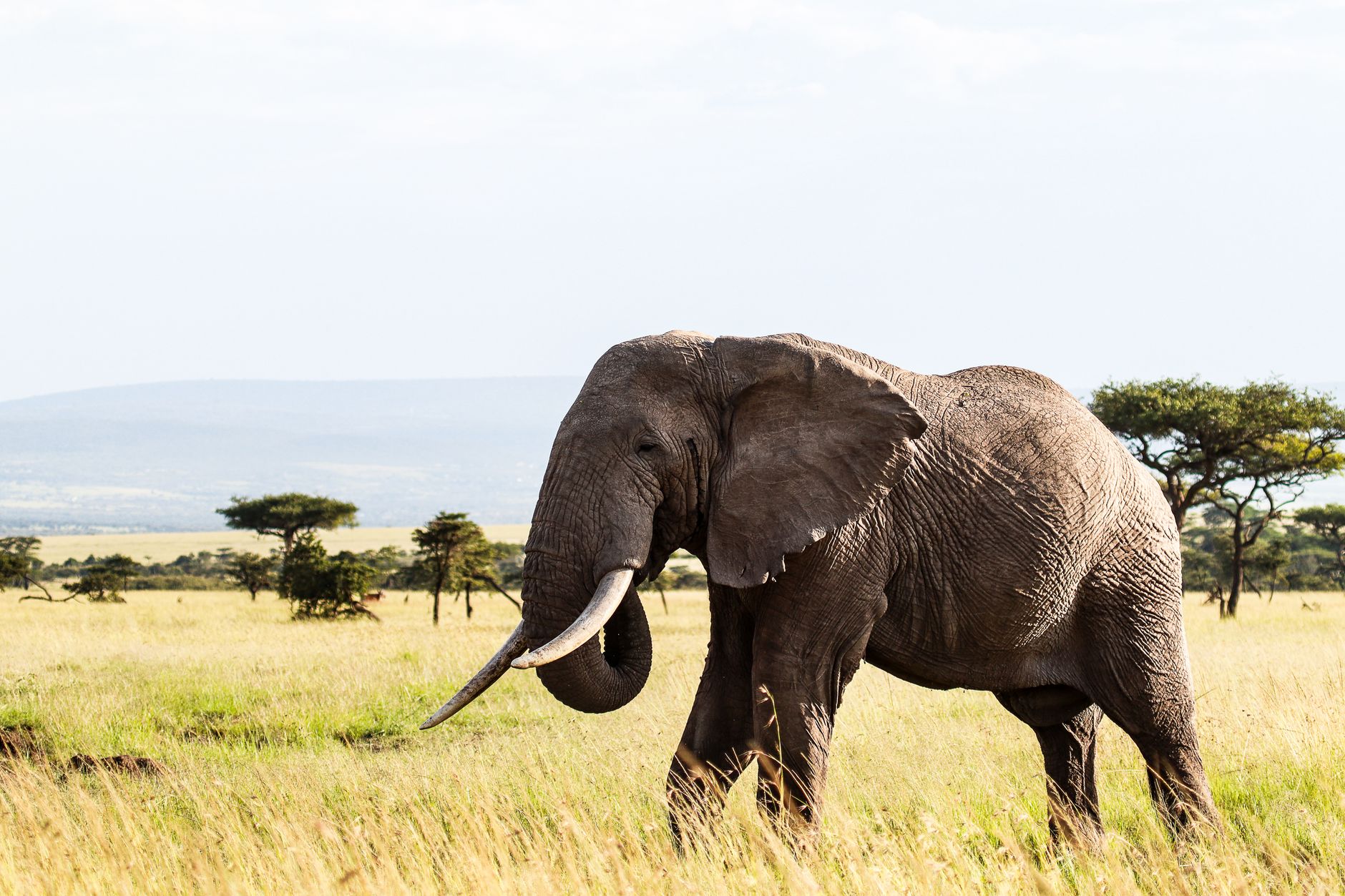
Akagera holds all of Africa’s Big Five: lion, elephant, buffalo, leopard, and both black and white rhino, following a reintroduction program carried out in stages over several years. Queen Elizabeth has healthy elephant, buffalo, leopard and lion numbers, but no rhino, which makes it a Big Four park rather than a true Big Five destination. Anyone weighing the akagera vs queen elizabeth wildlife question on species checklist alone should treat rhino access as the deciding factor, not lion density. It’s worth reading up on Kenya’s own Big Five odds too, since parks like the Maasai Mara and Amboseli set a different bar for what a Big Five park should deliver.
3. Tree-Climbing Lions and Signature Wildlife Behavior
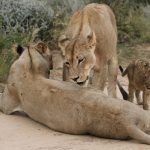
Queen Elizabeth’s Ishasha sector is one of only two places in Africa where lions regularly climb fig trees, likely to escape heat and biting flies at ground level. Akagera’s lions, reintroduced from South Africa some years ago, do not show this behavior. They’re usually spotted on open ground in the Mutara sector, resting or hunting near water. If tree-climbing lions in Queen Elizabeth are the goal, Ishasha during the dry months gives some of the strongest odds anywhere in East Africa.
4. Rhinos and the Conservation Comeback Story
Akagera’s rhino reintroduction is a genuine conservation success story, not a footnote on a species list. Eighteen eastern black rhinos arrived from South Africa first, and thirty southern white rhinos followed a few years later. Both groups now breed inside the park’s Mutara sector. Queen Elizabeth’s rhino story runs the other way: poachers wiped them out by the 1980s, and the park was never restocked. Uganda’s remaining rhinos live at Ziwa Rhino Sanctuary, outside Queen Elizabeth entirely. Before booking around a claim like this, it helps to know how to verify a park’s conservation claims, since not every operator explains the difference between a reintroduced population and a sanctuary population.
5. Entry Fees and Activity Costs
Akagera charges non-resident foreign visitors around $100 per person per day. Game drives are billed separately, in an indicative range of $25 to $40. Queen Elizabeth’s entry fee runs closer to $40 per day and includes game drives in that price. Over a multi-day stay, Queen Elizabeth works out noticeably cheaper for the wildlife viewing itself.
| Cost item | Akagera (Rwanda) | Queen Elizabeth (Uganda) |
|---|---|---|
| Entry fee, non-resident, per day (indicative) | around $100 | around $40 |
| Game drive | billed separately, roughly $25-40 | included in entry fee |
| Boat cruise | around $45, Lake Ihema | around $30, Kazinga Channel |
| Park size | roughly 1,085 km² | roughly 1,978 km² |
Figures above are indicative ranges for non-resident foreign visitors. Confirm current rates before booking, since park fees change.
6. Game Drives, Boat Cruises and Other Activities
Akagera’s Lake Ihema boat cruise, priced around $45, shows hippos, crocodiles and the occasional shoebill stork in a quiet setting with light boat traffic. Queen Elizabeth’s Kazinga Channel boat cruise costs closer to $30 and tends to deliver denser wildlife action, with hippo pods, buffalo herds and elephants along the banks. Queen Elizabeth also has Kyambura Gorge, where you can trek chimpanzees, an activity Akagera doesn’t offer at all.
7. Best Time to Visit for Wildlife
Both parks peak for game viewing in the dry months, roughly June through September and December through February, when animals gather around permanent water like Lake Ihema and the Kazinga Channel as vegetation thins. Ishasha’s tree-climbing lions are most reliable in that same June to September window. Akagera’s rhino tracking odds also improve during the dry season, when trackers can follow signs more easily. Wet season visits are cheaper and quieter, but thicker vegetation makes spotting rhino and leopard harder in both parks.
8. Akagera vs Queen Elizabeth Wildlife: Which One Wins?
Akagera sits about two to three hours from Kigali, while Queen Elizabeth is four to six hours from Kampala. Driving directly between the two parks crosses the Rwanda-Uganda border and takes the better part of a day, so most travelers treat it as a multi-day leg rather than a quick hop. Choose Akagera for a compact Big Five safari with rhino; choose Queen Elizabeth for tree-climbing lions, chimps and lower costs.
That crossing rules out visiting both parks in a single day, but it works well as two legs of a longer regional trip. Travelers who don’t want to choose often solve it by combining both parks in a 13-day Uganda Rwanda Kenya itinerary that also picks up Kenya’s own Big Five parks along the way.
Compare Operators Before You Decide
Akagera and Queen Elizabeth reward different priorities, so the right pick depends on what matters most to you: a full Big Five list with rhino, or tree-climbing lions and chimp trekking at a lower daily cost. If you’re mapping either park against a Kenya-based circuit, or building a longer regional trip around both, it’s worth comparing safari operators before you commit. FindMySafari, Valley Safaris and Trunktrails Safaris all let you browse packages covering Rwanda, Uganda and Kenya, so you can match an itinerary to your own wildlife priorities and budget.
More safari planning resources
- Masai Mara Big Five safari from SafariPure
- Ol Pejeta Conservancy guide from Trunktrails Safaris
- Best time to visit Kenya month-by-month map from Valley Safaris
- Big Five safari collection on FindMySafari